Nasya Panchakarma – Traditional Ayurvedic Nasal Therapy

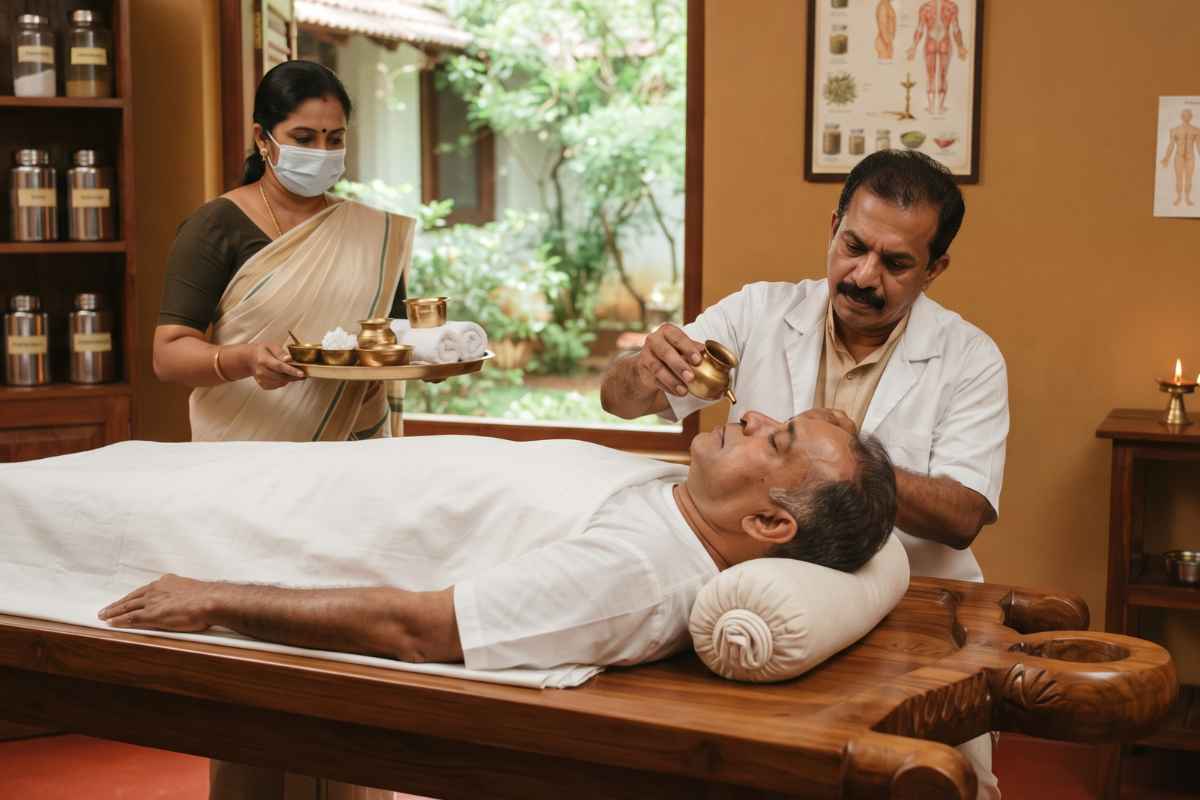
Nasya is a classical Ayurvedic procedure involving the administration of specially selected medicines through the nasal passages. It is one of the five Panchakarma procedures and is traditionally associated with conditions involving the region above the clavicle, particularly those related to Kapha and Vata.
At Athang Ayurved, Nasya is selected according to an individual’s Ayurvedic assessment and therapeutic requirements.
What Is Nasya?
Nasya Karma is a traditional Ayurvedic therapy in which medicines such as medicated oils, powders or herbal preparations may be administered through the nostrils.
The Ministry of AYUSH’s Ayusoft describes Nasya as nasal administration of medicines and identifies its traditional association with Kapha- and Vata-related conditions affecting the region above the clavicle.
How Is Nasya Traditionally Performed?
The exact procedure depends on the type of Nasya selected.
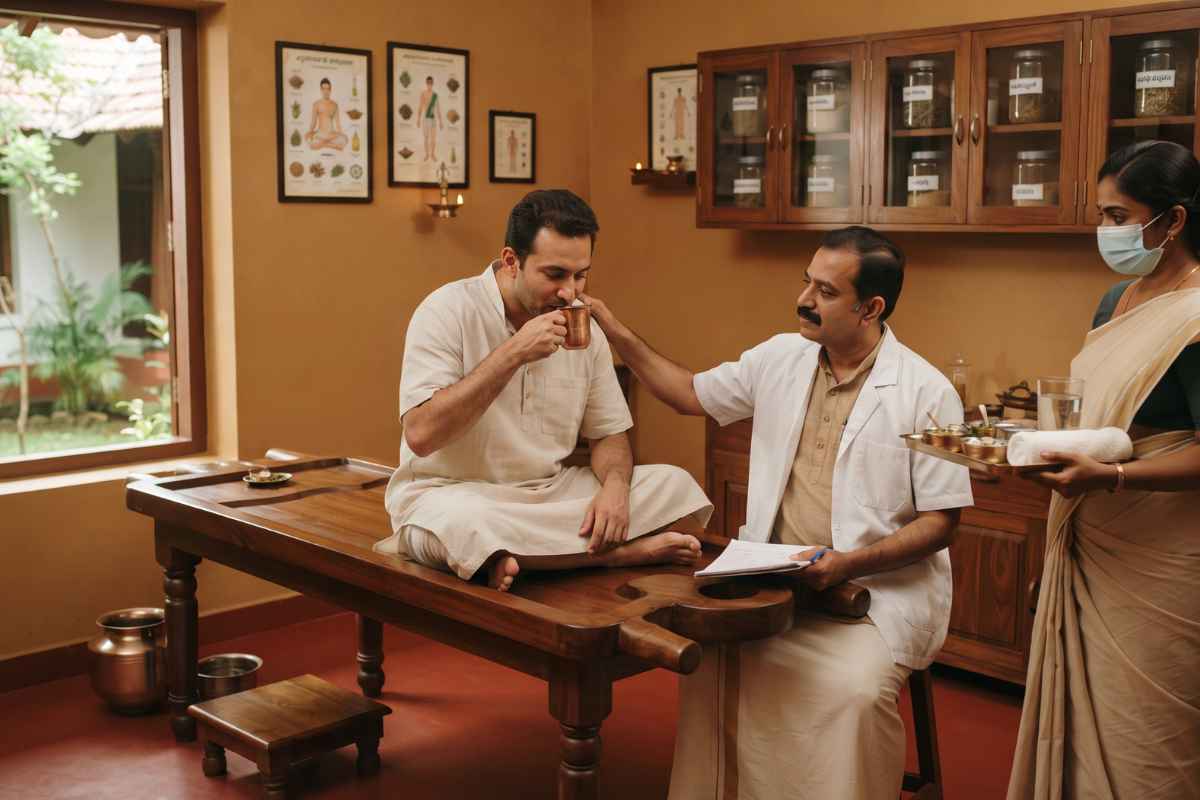
A supervised session may involve:
- Ayurvedic consultation
- Assessment of the individual’s condition
- Appropriate preparation
- Selection of a suitable medicated preparation
- Administration through the nostrils
- Observation after administration
- Post-procedure guidance
Why Is Professional Guidance Important?
Nasya is not simply the practice of putting any oil or herbal liquid into the nose.
The medicine, quantity, timing and suitability of Nasya depend on the individual and the purpose of treatment. Classical Ayurvedic practice also recognizes contraindications and specific procedural guidelines.
Nasya at Athang Ayurved
At Athang Ayurved, our approach combines traditional Ayurvedic principles with individualized assessment.
If Nasya is recommended for you, our practitioner will guide you regarding preparation, procedure and post-treatment care.
Important: Nasya should be performed according to professional Ayurvedic guidance. Do not put non-prescribed oils, herbal powders or other substances into the nose.
Experience traditional Panchakarma care at Athang Ayurved.